Redesigning for a Sustainable Future
Wildbiene + Partner
Sixteen components. We made it one.
Client: Wildbiene + Partner AG
The challenge
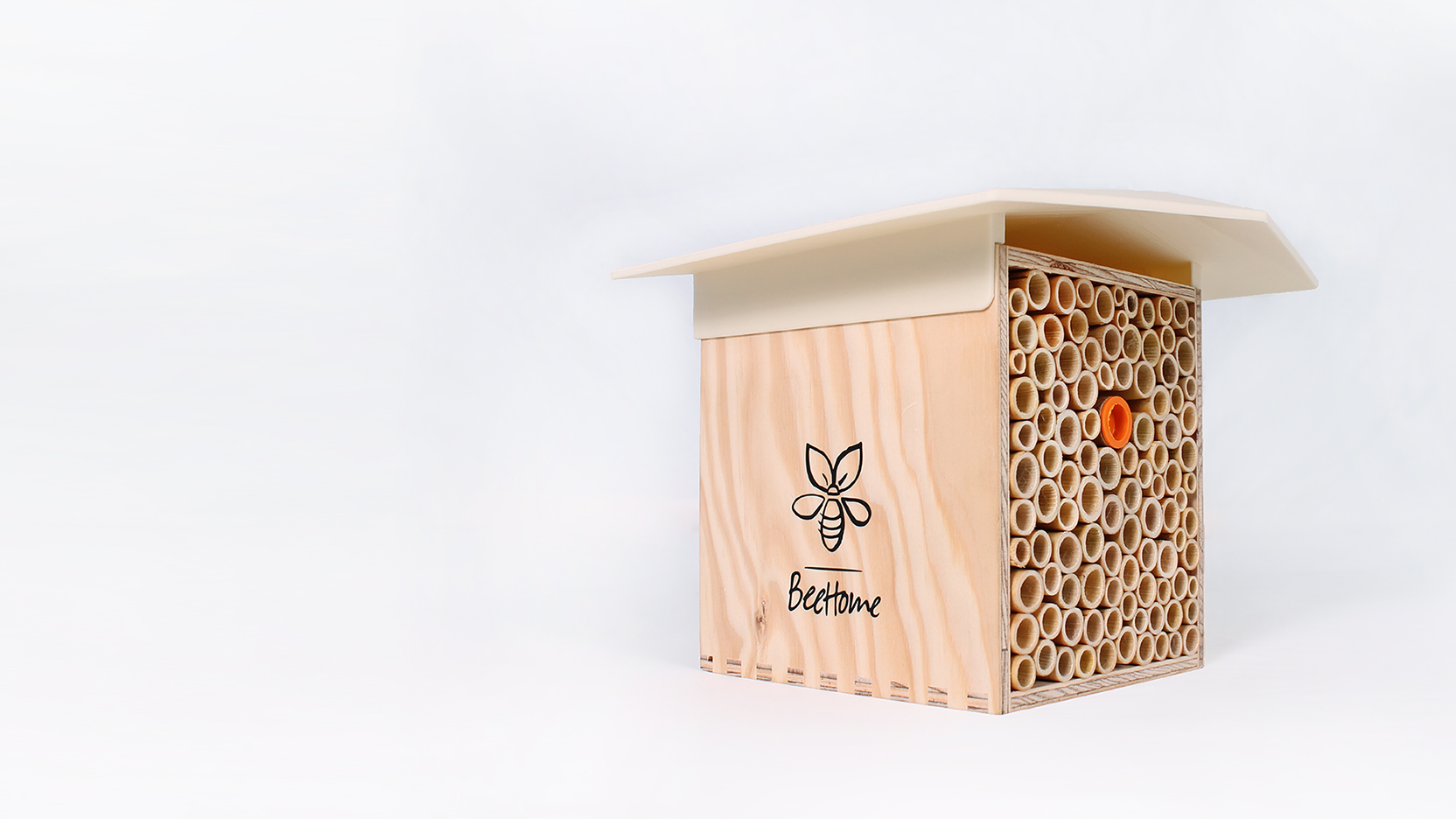
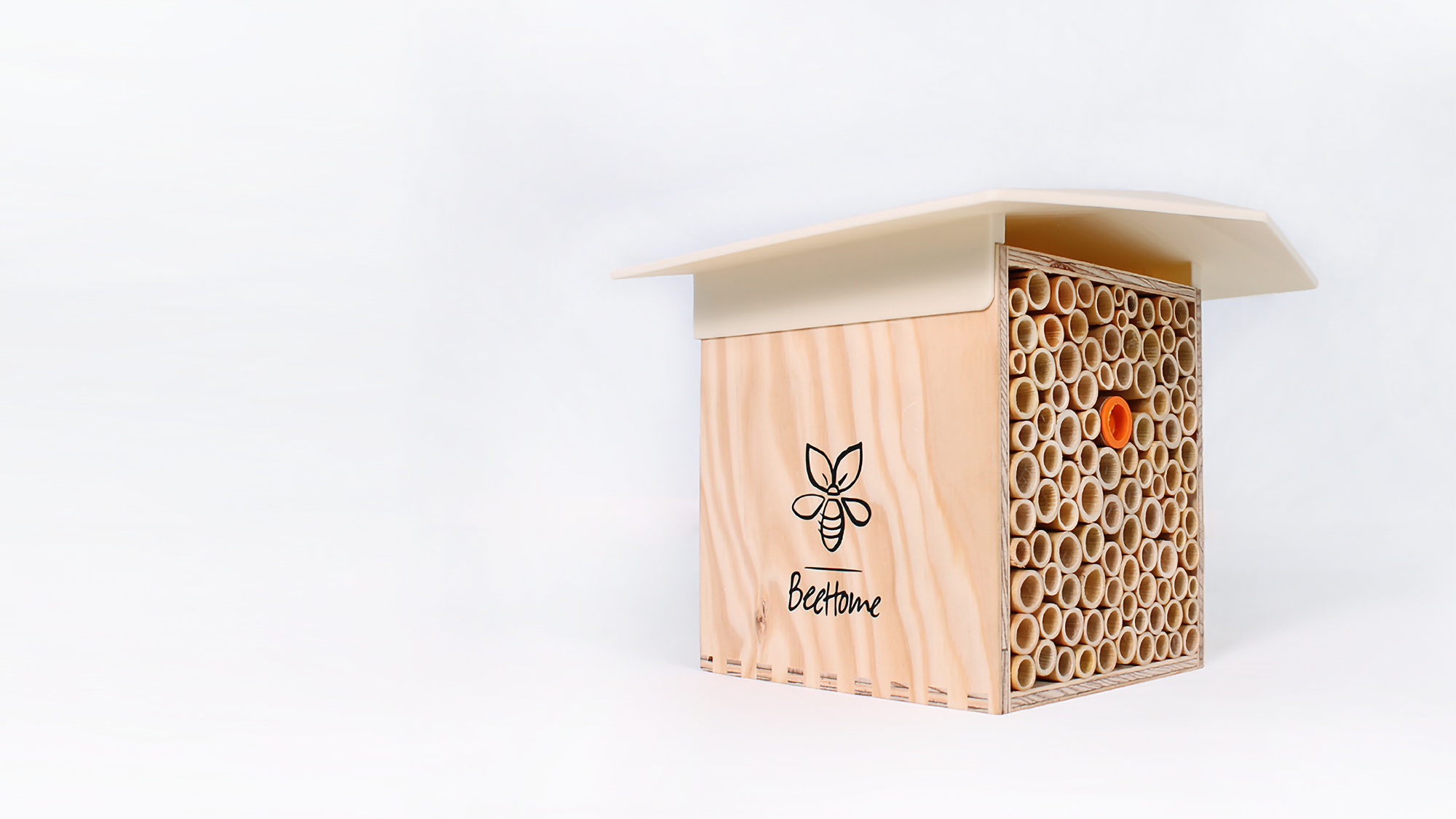
Wildbiene + Partner had already built something meaningful: BeeHome, a product that helps protect wild pollinators. It worked. It sold in Switzerland. But it couldn't scale. Sixteen roof components made it expensive to produce, slow to assemble, and difficult to price for European markets where every franc matters.
The mission was bigger than Switzerland. The product wasn't ready for it yet.

The approach
This wasn't about making the BeeHome look better. It was about making it radically simpler.
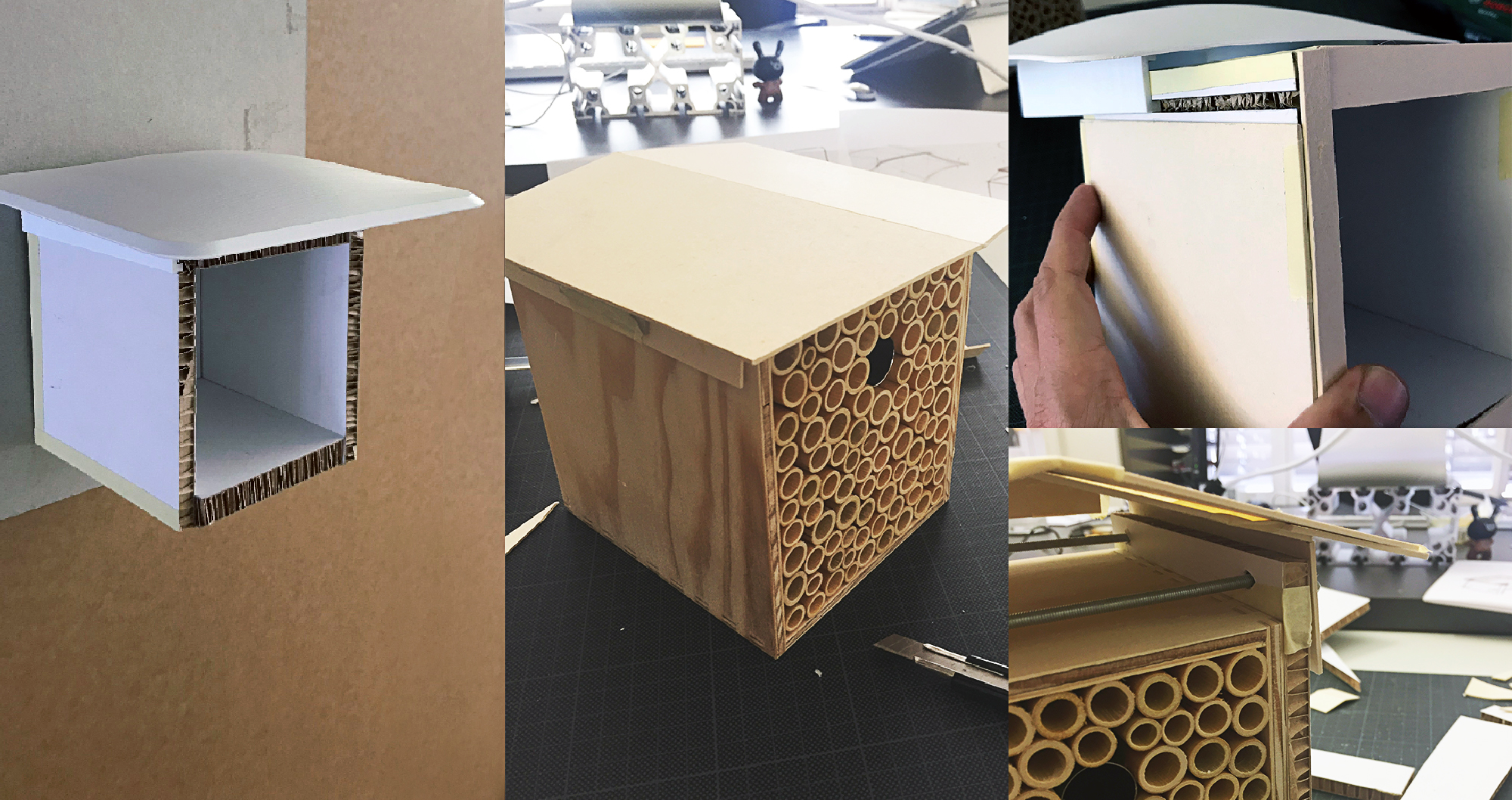
We worked backward from a single question: what if this product had as few parts as physically possible? Not as a constraint. As the entire design strategy.
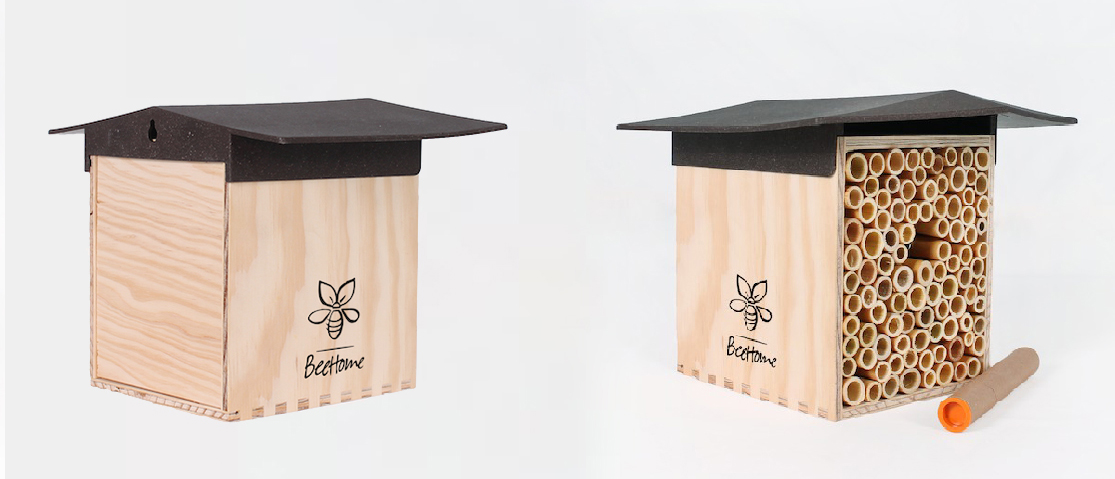
Sixteen roof components became one. The assembly went from complex to obvious. Material use dropped. Production cost dropped with it. And because fewer parts mean fewer failure points, the product actually became more durable in the process.
We applied circular design principles throughout, lowering the ecological footprint of a product that already existed to protect the environment. The redesign didn't just serve the business case. It deepened the mission.
The result
A simpler, more affordable, more sustainable BeeHome is ready for international markets. Germany, France, and beyond. One design decision unlocked the entire scaling strategy.
Wildbiene + Partner AG. Proof that subtraction is the hardest and most valuable kind of design.